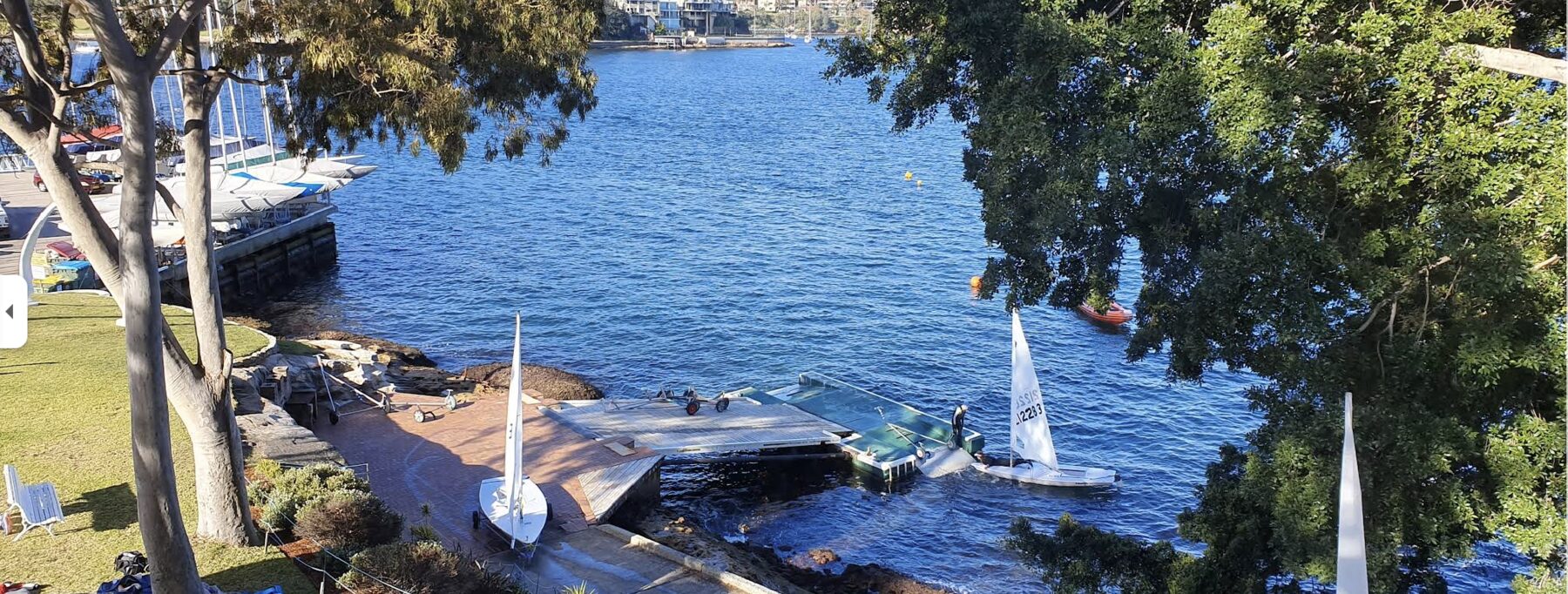
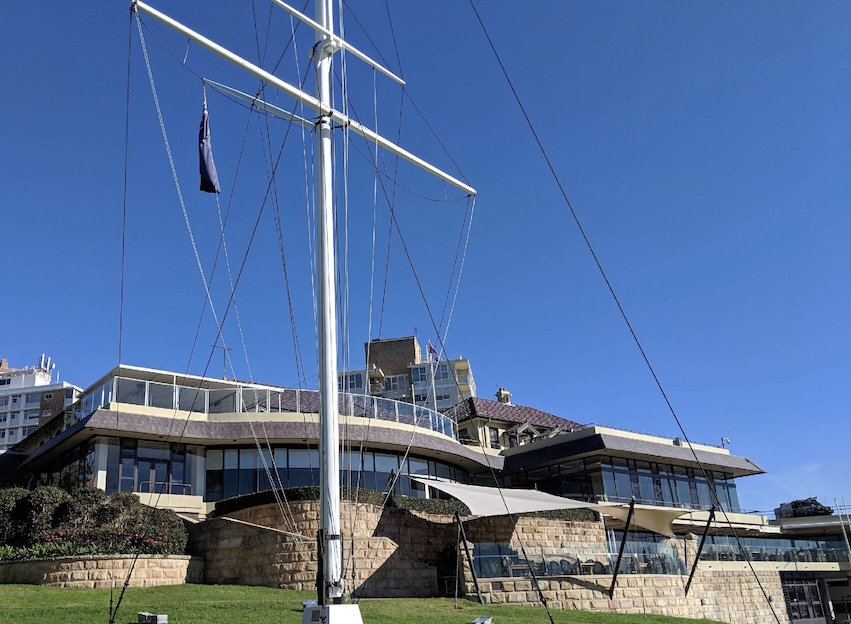
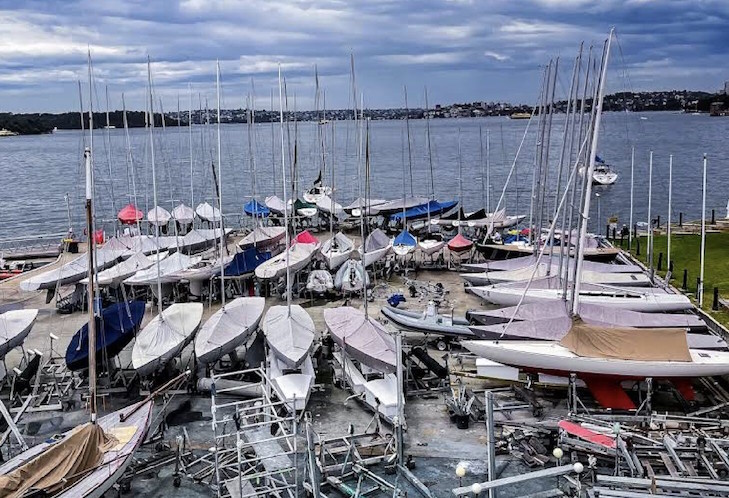
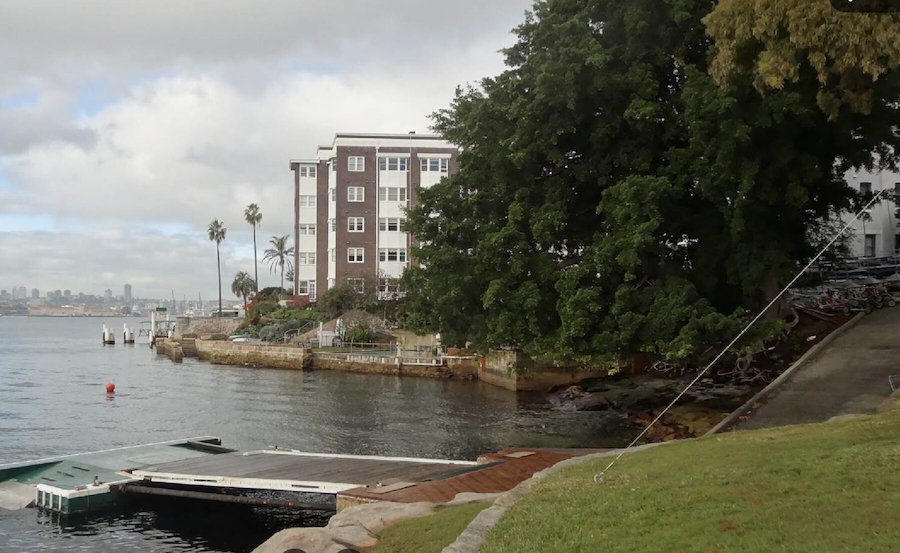
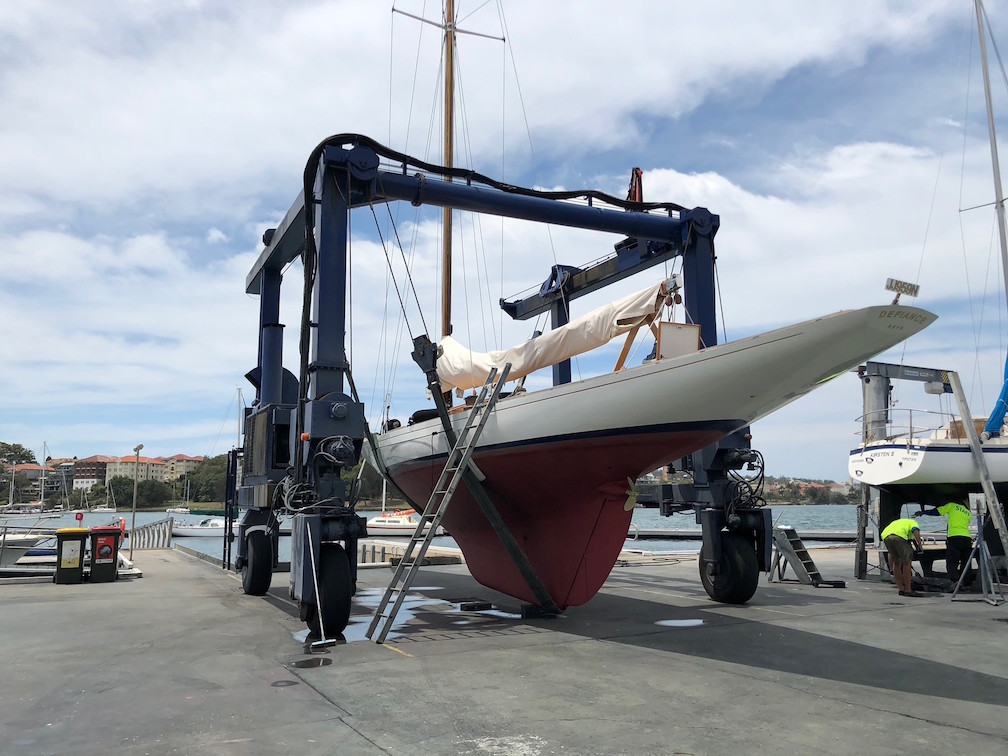
Put in good faith, in writing, to test whether the closure follows from the Board's own evidence.
Q1 Has the full boatyard P&L been released? +
Members are entitled to see revenue, direct costs and the actual contribution or loss — not an assertion that it is uneconomic. One of very few club-run boatyards on the Harbour shouldn't be surrendered on a claim.
Q2 Was it ever modelled as a commercial operation? +
A yard that loses money serving members only may be profitable serving external customers at full rates. With Harbour mooring wait-lists in the hundreds, the demand exists. If that model was never run, the obvious alternative was never tested.
Q3 Why buy the travel lift outright instead of lease it? +
Lifts are routinely leased with options to buy, refinance or return. A lease preserves ~$1M of capital and can be funded from haul-out revenue. Alternative quotes come in around $600,000. Committing to an outright purchase without comparing a lease asks members to commit capital blind.
Q4 What management initiatives were considered first? +
Better use of buildings, land and the marine operation — including outsourcing or commercial management of the boatyard — should be on the table before elimination. These are management levers. Members deserve to see what was weighed and why it was set aside.
Q5 Have all conflicts of interest been declared? +
When a scarce asset is proposed for closure and a large purchase alongside it, members are entitled to ask the conflict question plainly — any direct or indirect interest in the closure or the supply or financing of the lift — answered on the record.
Q6 What does dining and functions contribute? +
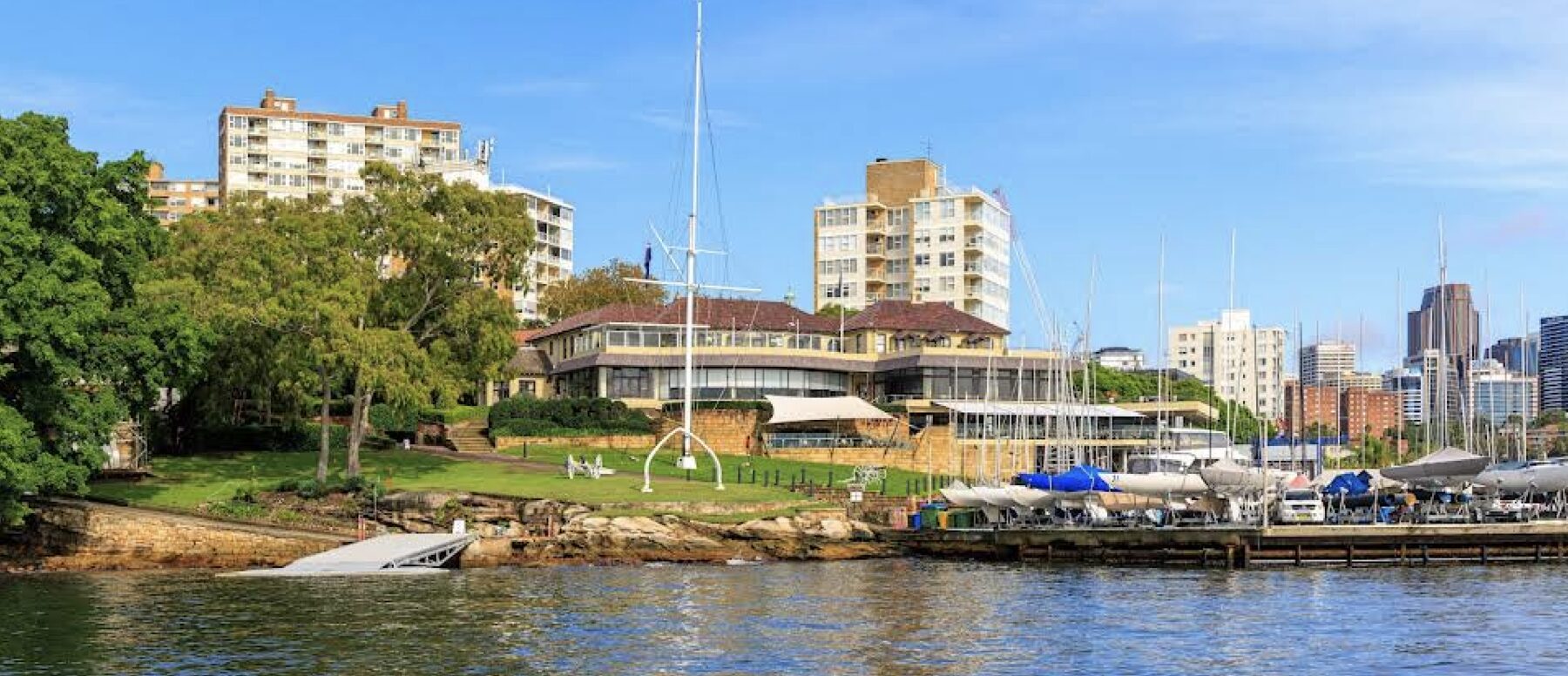
An acre at Kirribilli is among the most valuable club sites in the country; opening dining to non-members at a premium raises revenue and introduces prospective members in the most natural setting available.
Q7 Where is the written membership strategy? +
Members are entitled to see recruitment and retention targets by cohort, with dates — or an acknowledgement none yet exists and a commitment to produce one before any facility decision is taken.
Q8 Will the decision be deferred until the strategy is shown? +
Strategy and financials first; facility decision second. A scarce, irreplaceable asset shouldn't be surrendered ahead of the strategy that should determine its future.